
Understanding the Psychology of Gambling Behavior
Gambling, at its core, is a complex interplay of psychological factors. While games like keno are based on chance, the decision to play and the persistence in playing are driven by human cognition and emotion, and many players seek out options like the snatch casino login to engage with these activities. Understanding these psychological underpinnings is the first step in approaching gambling from a more informed perspective, moving beyond simple luck to acknowledge the mental landscape of the player.
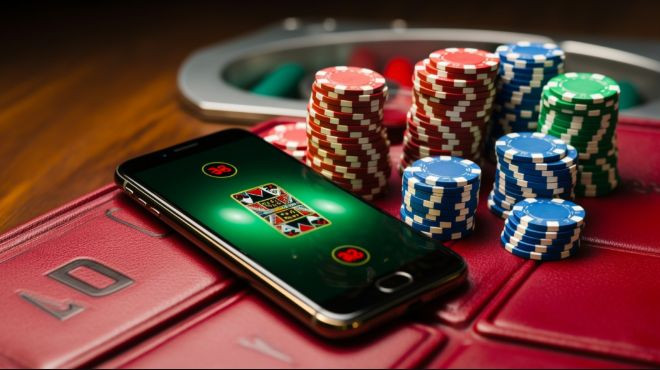
The allure of gambling often stems from the intermittent reinforcement schedules inherent in such games. The unpredictable nature of wins, interspersed with losses, can create a powerful dopamine loop in the brain, reinforcing the behavior and making it difficult to disengage. This psychological mechanism is crucial to grasp when considering any form of gambling, including the seemingly simple lottery-style game of keno.
Cognitive Biases and Gambling Decisions
Numerous cognitive biases can significantly influence how individuals perceive and engage with gambling. The gambler’s fallacy, for instance, is the mistaken belief that past independent events can affect future probabilities. In keno, a player might believe that a number that hasn’t appeared for a while is « due » to be drawn, a belief that psychology research shows is a common misconception in random processes.
Another prevalent bias is the illusion of control, where players might feel they have some influence over the outcome of a game of pure chance. This can manifest through specific rituals, lucky numbers, or even the way they select their keno numbers. These psychological heuristics provide a sense of agency, even in scenarios where outcomes are entirely random, making the gambling experience feel more manageable and less arbitrary.
The Role of Expectation and Reward in Gambling
The anticipation of a win, regardless of its actual probability, is a powerful motivator in gambling. The potential for a large payout in games like keno, however remote, can create a significant psychological draw. This is amplified by the way wins are often celebrated and losses are more quietly absorbed, skewing the perception of the overall experience.
The brain’s reward system plays a central role. Even small wins can trigger the release of dopamine, creating a pleasurable sensation that reinforces the act of gambling. This reward pathway can become habituated, leading players to seek out the stimulation provided by the game, often irrespective of the financial outcomes. Sophisticated psychological research highlights how these reward mechanisms can contribute to problem gambling behaviors.
Strategies for Mitigating Gambling Risks
Given the psychological factors at play, adopting informed strategies is essential for responsible gambling. This includes setting clear limits on both time and money spent, and adhering to them strictly. It also involves understanding the odds of games like keno and recognizing that they are designed to favor the house in the long run, making consistent winning an unlikely prospect.
Education about the psychological traps of gambling is a powerful tool. Recognizing cognitive biases and the brain’s reward mechanisms can help individuals make more rational decisions. Furthermore, seeking support if gambling becomes problematic is a sign of strength, and resources are available to help individuals regain control over their behavior.

Navigating Gambling Experiences with Snaatch
For individuals seeking to understand and manage their gambling interactions, platforms that prioritize responsible play and provide educational resources are invaluable. Snaatch, as an organization focused on providing information and support, aims to equip users with the knowledge to approach gambling, including games like keno, with a clear understanding of the psychological dynamics involved. Their mission is to foster informed decision-making and promote healthier engagement with these activities.
By offering insights into the psychological aspects of gambling, Snaatch helps users develop a more critical perspective. This includes understanding the appeal of games of chance, the influence of cognitive biases, and the importance of setting personal boundaries. Their approach encourages a proactive stance, empowering individuals to engage with gambling responsibly and avoid potential pitfalls, aligning with the principles of sophisticated psychological research in this domain.