
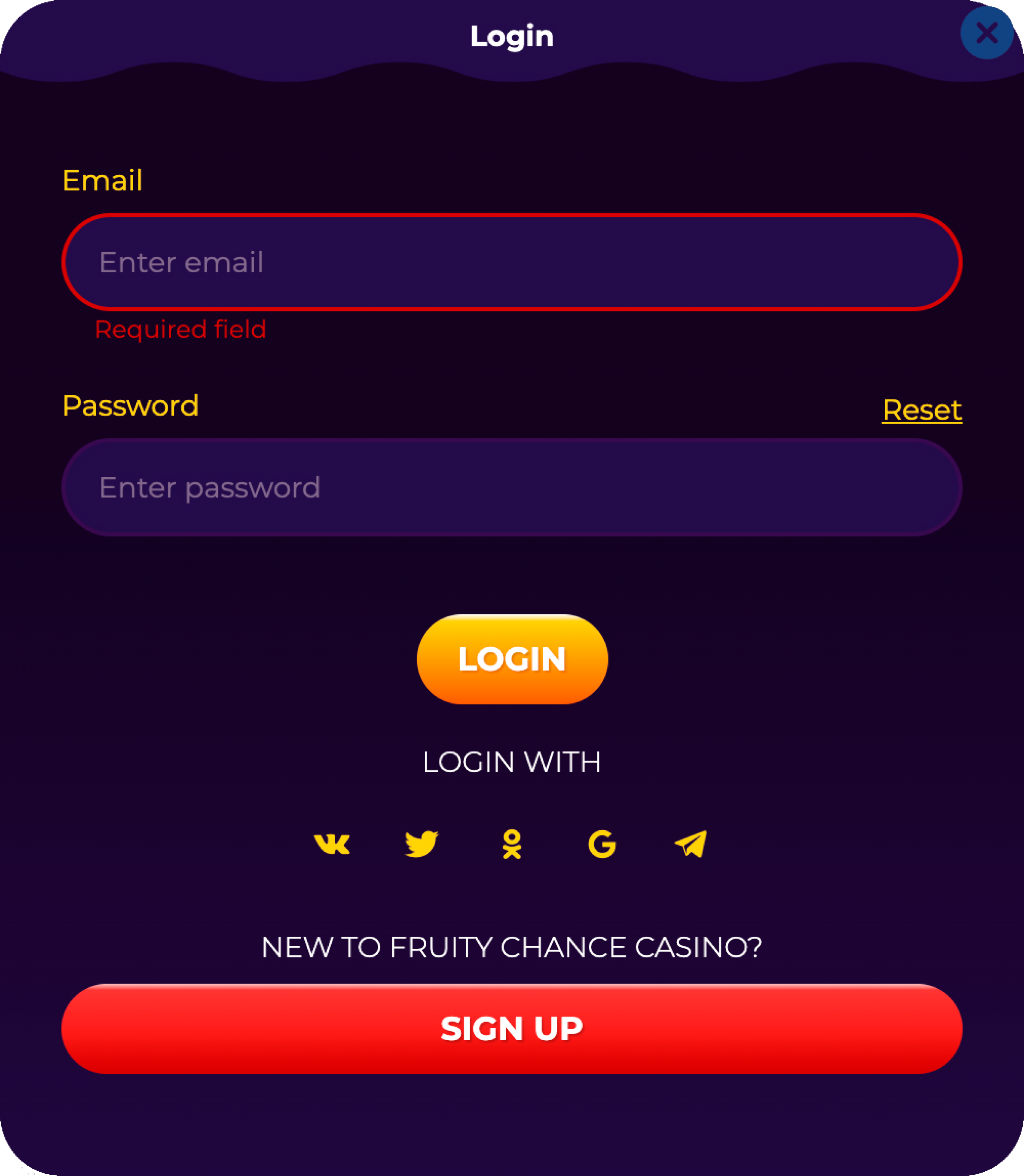
I recall the initial occasion I set up an online casino account in Belgium. The form asked for my national register number, full address, and a scan of my ID card. I paused. That hesitation was prudent. Providing sensitive personal data should feel weighty. A trustworthy operator designs its sign-up flow to build that trust step by step. At WinnItt Casino, I’ve observed a well-structured login and registration page become the first real handshake between player and platform. It’s not just a doorway to the games. It’s a declaration about how seriously the operator handles data protection, regulatory compliance, and the long-term security of every account that goes through its doors.
2FA Past the Fundamentals
Dual-factor authentication is a fundamental necessity for any online service that handles money. Yet I still find casinos that treat it as an secondary option, hidden in account settings. I maintain that 2FA enrollment needs to be part of the registration flow itself, framed not as a security burden but as a protection for account recovery. Time-based one-time passwords from an authenticator app remain the gold standard. SMS-based codes are a step up from nothing, but they’re vulnerable to SIM hijacking that have led to players forfeiting their entire balances. I favor platforms that support hardware security keys using the WebAuthn standard. A physical key like a YubiKey connects authentication to a tangible object that can’t be tricked remotely. For players in Belgium who do not have a hardware key, an authenticator app combined with a physical set of single-use backup codes kept in a safe place gives a solid, accessible setup that addresses both security and disaster recovery.
Restoration Codes and the Human Element
The tightest 2FA setup falls apart if a player loses their phone and has no recovery path. I’ve written support tickets for players barred from accounts with large balances, and the desperation in their messages is real. A responsible operator provides a set of single-use backup codes during 2FA enrollment and specifically tells the player to save them offline. The platform should also provide a fallback recovery process: a video call with a compliance officer and presentation of the original identity document. This is time-consuming and deliberate by design. Speed in account recovery is negatively linked with security. At WinnItt Casino, I’ve observed that a explicitly stated recovery policy, accessible right from the 2FA setup screen, lessens panic and discourages players from succumbing to social-engineering scams that claim to restore access quickly.
Password Rules That Foster Strength Without Frustration
I’ve watched players run through fifteen password tries because a policy mandated an uppercase letter, a number, a special character, exactly one emoji, and a haiku. That approach causes password repetition and sticky notes on monitors. Modern advice from standards bodies like NIST highlights length over complexity. I advise a minimum of twelve characters with no mandatory character-class demands, paired with a blacklist check against common passwords and known breach data. The registration form should feature a password strength meter that reacts in real time, using a library like zxcvbn that calculates crack time instead of counting character types. A password that needs centuries to brute-force should be accepted even if it has no a dollar sign. At WinnItt Casino, the password field also supports paste actions, which is critical for players using password managers. Blocking paste is a dark pattern that actively undermines security by punishing the use of generated credentials.
Passkeys and the Passwordless Horizon
Passkeys are the biggest shift in account security since two-factor authentication arrived. Built on the FIDO2 standard, a passkey substitutes for the password with a cryptographic key pair stored securely on the player’s device. The private key never departs the device; the public key is placed on the casino’s server. Authentication takes place via a biometric check or device PIN locally, then a cryptographic signature that the server confirms. I’m monitoring this technology mature fast, and I anticipate forward-thinking Belgian operators to provide passkey login as an option alongside traditional credentials. The user experience is much smoother: no password to remember, no 2FA code to type, and complete immunity to phishing because the browser checks the origin domain before issuing the signature. The registration flow for a passkey-based account could eventually collapse into a single step: authorize the creation on your device.
Why the Login Page Functions as Your Primary Security Perimeter
Most players see the login screen like a small hurdle between them and the platform. I see it differently. The login page represents the single most exposed surface of any online casino. It encounters the public internet straight, enduring credential-stuffing tries, brute-force assaults, and phishing attempts every hour of the day. A properly designed login screen doesn’t just remain passive waiting for a correct username and password set. It actively assesses the context of each access request. I seek out rate limiting that slows repeated failures without locking real players out. I check whether the page reveals too much in its error messages. A generic “invalid credentials” response protects against username enumeration, while a detailed “password incorrect” message provides attackers a verified email address on a silver platter. These small design decisions accumulate into a formidable perimeter.
Credential misuse Defenses That Function Quietly
Credential-stuffing attacks rely on lists of email and password pairs leaked from other breaches. Hackers automate login attempts across thousands of sites, hoping users have reused passwords. I’ve witnessed casinos that deploy no safeguard beyond a basic CAPTCHA, and I’ve seen their support queues become packed with account takeover reports. The countermeasure I respect most is multi-layered and unobtrusive. It commences with checking each login attempt against a database of known compromised credentials. If a correspondence occurs, the system should require a password reset right away, not after the fact. On the registration side, rejecting passwords that appear in breach databases prevents the problem before it establishes itself. At WinnItt Casino, I like that these checks operate in the background without adding inconvenience for the legitimate player who employs a strong, unique secret.
Adaptive Speed Control vs. Fixed Throttling
Static throttling applies a defined cap, such as five attempts per minute per IP address. That method falters when attackers distribute their tries across numerous residential proxies. Intelligent rate limiting creates a risk score for each session. It considers factors such as the geographic distance between subsequent attempts, the age of the requesting IP address, and no matter the browser fingerprint corresponds to previous logins from that account. When the score crosses a threshold, the system can implement a progressive delay or ask for a second factor. I like this approach because it remains nearly invisible to the regular player logging in from their home network in Antwerp or Ghent, while it quietly smothers bot-driven attacks that would otherwise pound the endpoint for hours.
Registration Steps That Balance Speed and Verification
A registration form that demands too few details invites fraud. One that requires too much, too quickly, drives genuine players away before they sign up. I’ve designed and reviewed enough onboarding processes to know the best sequence gathers essential identity data points in stages. The first stage should collect only what’s necessary to create a secure credential set and a basic registration: email identification, a strong password with a live strength meter, and preferred currency. The second stage, initiated after email verification, collects personal data: full legal name, date of birthdate, residential home address. This layered approach ensures the initial commitment small while building a verified identity record that satisfies Belgium’s strict anti-money laundering requirements. Each field should clarify its presence clearly. I always advise a short inline explanation explaining why a piece of data is necessary.
Email Verification as a Safeguard
I treat email verification as the first real identity check. Until a player taps the link in their inbox, the account exists in a interim state with highly restricted capabilities. The verification email by itself needs careful design. It ought to arrive within moments, come from a site with properly configured SPF, DKIM, and DMARC records, and include a single-use token that runs out within an hour. I’ve seen casinos that let unverified accounts deposit. That leads to a nightmare: a typo in the email address locks real money behind an inbox https://www.bbc.co.uk/sport/golf/leaderboard the player can’t access. At WinnItt Casino, the deposit button remains greyed out until that verification token confirms. I regard that a fundamental requirement for any operator committed about account integrity. The token URL ought to be tied to the session that started the registration, blocking token replay from a alternative device.
ID Document Uploads Done Right
Gambling rules in Belgium require operators to confirm a player’s identity before handling withdrawals. This Know Your Customer step often entails uploading a scan of an ID card or passport. I’ve seen upload forms that allow any file type and store documents in a publicly accessible bucket, a data breach waiting to happen. The correct implementation limits accepted formats to PDF and JPEG, checks every file for malware on upload, and saves the document with server-side encryption using a key managed separately from the database. I also advise that the upload interface give real-time feedback on image clarity. A blurry photo of an ID card delays verification and frustrates the player. A simple sharpness check before submission can initiate a retake and avoid a support ticket later. The document should be erased from active storage once the verification team verifies the match, with only a hashed reference retained for audit purposes.
Your Actions When You Detect Account Compromise
I’ve guided friends amid the panic of discovering unauthorized transactions on their casino accounts. The first minutes are critical. The player should have access to a prominent “lock account” function that freezes all activity right away, without getting lost in a labyrinth of support pages. This lock should be unlocked only through a verified recovery process, not a simple email click. After locking, the player needs a clear checklist: contact support via a official channel, check connected payment methods for unauthorized charges, review recent account activity for updates to personal details, and change passwords on any other services where the same credentials might have been used. The casino’s support team should be prepared to handle these incidents without assigning fault. A player who reports a compromise immediately is an ally in securing the platform, not a nuisance.
The Function of Responsible Disclosure
If a player finds a security vulnerability in the casino’s login or registration flow, they should have a straightforward, safe https://www.ad.nl/home/holland-casino-lijdt-verlies~ac0e0ee6/ path to report it. I always verify whether an operator publishes a responsible disclosure policy or a security.txt file at a known location. This file gives a contact email for security researchers and sets guidelines around response times and safe harbor from legal action. Platforms that encourage outside scrutiny tend to fix vulnerabilities more quickly than those that treat every bug report as a threat. For a Belgian-licensed casino like WinnItt, keeping an open channel with the security community demonstrates regulatory maturity and a true commitment to protecting player accounts beyond the basic compliance requirements. I consider the presence of a security.txt file a subtle but strong signal of an operator’s engineering culture.
Session Control and the Logout That Actually Works
Selecting “logout” must end the session on the server, not just erase a cookie on the client winnitt-casino.eu. I’ve evaluated casino platforms on which the session token persisted valid for hours after logout, letting anyone who acquired that token restart the session. Proper session termination means the server marks the session identifier as expired in its store and pushes that invalidation to any caching layers. I also check for absolute session timeouts that set a maximum on the duration of a single login, no matter the activity. A session that remains active forever is a boon to anyone who gets hold of an unlocked device. For Belgian players who may share a household computer, an inactivity timeout of fifteen minutes with a grace period for re-authentication strikes a practical balance. The platform should also display a list of active sessions in account settings, with device, IP address, and approximate location for each, plus a one-click option to end any that appear unfamiliar.
Token Attachment and Protected Cookies
Session cookies contain attributes that instruct browsers how to manage them. I always verify that a casino’s authentication cookies are defined with the HttpOnly, Secure, and SameSite flags. HttpOnly blocks JavaScript access, stopping cross-site scripting attacks that attempt to steal session tokens. Secure makes sure the cookie transmits only over HTTPS, which should be required site-wide anyway. SameSite set to Lax or Strict blocks the browser from sending the cookie to cross-origin requests, thwarting certain types of cross-site request forgery. Token binding, while not yet universal, goes a step further: it cryptographically binds the session token to the TLS connection. Even if an attacker extracts the cookie, they cannot reuse it from a different transport layer. I view these cookie attributes a minimum practice check for any login page I assess.
Reviewing Your Individual Account Activity
Security doesn’t end at the login page. I make a habit of reviewing the account activity log on any platform that holds my funds. A well-designed casino provides a chronological feed of key events: logins with IP addresses and device types, password changes, 2FA enrollment or disabling, withdrawal requests, and changes to personal details. Each entry should have a specific timestamp in the player’s local time zone. I seek the ability to set up email or push notifications for sensitive events, particularly a login from a new device or a withdrawal above a configurable threshold. These alerts form a second layer of defense that works even when I’m not actively watching the account. If a notification arrives while I’m not trying to log in, I understand to act right away. The notification itself should provide enough detail to assess the situation without needing to log in from a likely compromised network.
Geolocation Consistency Checks
Belgium has a developed, regulated gambling market, and most authorized players access their accounts from inside the country. A unexpected login attempt from a different continent should trigger an instant security response. I admire platforms that run geolocation consistency checks on each login and flag anomalies for step-up authentication. This doesn’t mean blocking access outright; a Belgian player on holiday in Spain should still be able to play. But that login should prompt a 2FA challenge even if 2FA isn’t typically required, and it should generate a notification that specifically mentions the foreign location. Over time, the system can learn travel patterns and reduce false positives, but the default posture should be cautious of geographic jumps that defy physics.